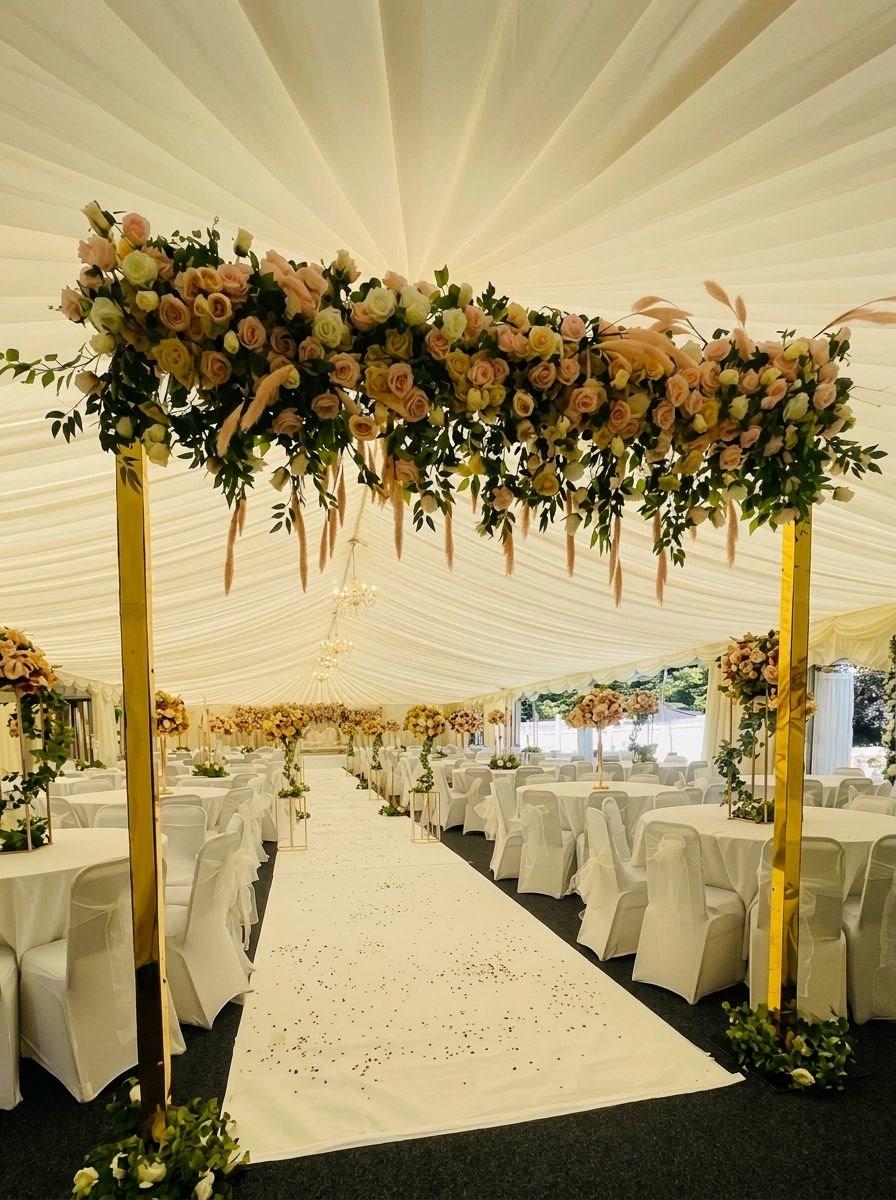
Planning a wedding is exciting, but once you start thinking about venues, guest lists, suppliers, outfits, invitations and budgets, it can quickly feel like there is a lot to organise.
The good news is that you do not need to arrange everything at once. Learning how to plan a wedding is much easier when you break the process into manageable stages and deal with the most important decisions first.
Whether you are planning a large celebration or something small and personal, this guide will walk you through the key wedding planning steps from your first conversation to the big day.
Where Do You Start When Planning a Wedding?
Talk About Your Wedding Vision
Before booking anything, sit down together and talk about the wedding you actually want. Are you imagining a relaxed celebration, a traditional wedding or a big party with everyone you know?
Think about the atmosphere, location, number of guests and overall style. You do not need every detail yet. You simply need a shared idea of what you want your day to feel like.
Decide What Matters Most to You
Make a list of your priorities. Perhaps the venue is important, or maybe you would rather spend more on photography, food or entertainment.
Knowing your priorities early makes later decisions much easier, particularly when working with a limited wedding budget.
Create a Wedding Planning Checklist
A wedding checklist helps turn one enormous task into smaller jobs. Include everything from choosing your venue and booking suppliers to ordering invitations and arranging final payments.
Set Up a Wedding Planning Timeline
Give each task a realistic deadline. Some decisions need to happen early, while smaller details can wait until closer to the wedding.
How to Set Your Wedding Budget
Work Out How Much You Can Spend
Your budget will influence almost every part of your wedding, so establish a realistic figure before making bookings.
Consider what you can comfortably afford rather than planning around money you hope will become available later.
Decide Who Is Contributing
If parents or other family members are contributing, have the conversation early. Knowing exactly what everyone intends to contribute helps prevent confusion later.
Prioritise Your Wedding Spending
Divide your budget according to what matters most. If food and photography are priorities, you might decide to spend less on decorations or transport.
Keep Track of Wedding Costs
Record deposits, balances and payment deadlines as you go. A simple spreadsheet or wedding budget planner can make this much easier.
Create Your Wedding Guest List
Decide on Your Approximate Guest Numbers
Your guest numbers affect your venue, catering costs and overall budget.
Start with an approximate number before researching venues.
Create Your First Guest List
Write down everyone you would ideally like to invite. You can then review the list together and make changes where necessary.
Balance Your Guest List With Your Budget
Remember that additional guests usually mean additional costs. If your guest list pushes the wedding beyond your budget, decide whether reducing numbers or adjusting spending elsewhere makes more sense.
Choose Your Wedding Date
Decide Which Season You Prefer
Think about whether you picture a spring, summer, autumn or winter wedding. Your preferred season can influence everything from venue choice to photographs and decorations.
Consider Venue and Supplier Availability
Popular wedding venues and suppliers can become booked well in advance, so check availability before becoming attached to one particular date.
Be Flexible With Your Wedding Date
Having several possible dates can give you more venue and supplier options.
Find the Right Wedding Venue
Decide What Type of Venue You Want
Think about whether you want a country venue, hotel, traditional setting or somewhere relaxed and informal.
Consider Your Guest Capacity
Your venue needs enough room for everyone without feeling overcrowded or unnecessarily large.
Check What Is Included in the Venue Price
Ask exactly what your booking includes. Tables, chairs, catering, staff and decorations may be included at some venues but charged separately at others.
Questions to Ask Before Booking a Wedding Venue
Ask about availability, capacity, catering, access times, music restrictions, accommodation, parking and additional charges before signing your agreement.
Should You Hire a Wedding Planner?
What Does a Wedding Planner Do?
A wedding planner can help manage budgets, suppliers, schedules and the many practical details involved in organising your day.
Wedding Planner vs Wedding Coordinator
A planner normally supports you throughout the planning process, while a coordinator may become involved closer to the wedding to ensure everything runs smoothly.
Can You Plan a Wedding Yourself?
Absolutely. Plenty of couples organise their own weddings successfully. Good organisation, realistic deadlines and clear communication with suppliers make a big difference.
Book Your Wedding Suppliers
Once your venue and date are confirmed, start securing your main wedding suppliers.
Wedding Photographer and Videographer
Choose professionals whose photography or filming style matches how you want your day remembered.
Wedding Caterer
Discuss menu choices, dietary requirements and service style before confirming your caterer.
Florist and Wedding Décor
Your flowers and décor can help bring your overall wedding vision together.
Wedding Entertainment
Whether you choose a DJ, live band or other entertainment, book early if there is someone you particularly want.
Hair and Makeup
Arrange trials before the wedding so you know exactly what you want on the day.
Wedding Transport
Consider how you, your wedding party and guests will travel between locations.
Choose Your Wedding Dress and Attire
When to Start Wedding Dress Shopping
Start early enough to allow time for ordering and alterations without creating unnecessary pressure.
Choosing Suits and Formalwear
Decide whether you want traditional formalwear or something more relaxed that suits the style of your wedding.
Bridesmaid and Wedding Party Outfits
Choose outfits that complement the overall wedding style while keeping comfort in mind.
Allow Time for Alterations
Final fittings and alterations can take time, so avoid leaving them until the final weeks.
Create Your Wedding Website
What Information Should Your Wedding Website Include?
Include your date, venue, timings, dress code and other information guests need.
Add Accommodation and Travel Information
If guests are travelling, provide details about nearby accommodation, parking and transport.
Manage Guest Information and RSVPs
Your website can also provide a convenient place for collecting RSVPs and important guest information.
Plan Your Wedding Invitations
When to Send Save the Dates
Send them early enough to give guests time to keep the date free, particularly if they need to travel.
When to Send Wedding Invitations
Formal invitations should follow once your main wedding details have been confirmed.
Managing Wedding RSVPs
Set a clear RSVP deadline so you have enough time to provide final numbers to your venue and caterer.
Plan Your Wedding Ceremony
Choose Your Ceremony Structure
Think about how you want the ceremony to flow and discuss any legal or venue requirements.
Choose Readings and Music
Select readings and music that feel meaningful to you as a couple.
Write Your Wedding Vows
If you are writing personal vows, start early rather than trying to find the perfect words the night before.
Plan Your Wedding Reception
Create Your Seating Plan
Once RSVPs are confirmed, arrange guests into tables while considering family relationships and friendship groups.
Choose Your Wedding Menu
Choose food that suits your celebration while accounting for allergies and dietary requirements.
Plan Speeches and Entertainment
Decide who will speak and when entertainment will take place.
Choose Your Wedding Music
Plan music for key moments including your entrance, first dance and evening celebration.
Plan Your Wedding Décor
Bring your colours, flowers, table decorations and signage together to create a consistent look.
Create Your Wedding Day Timeline
Your wedding day timeline should cover getting ready, the ceremony, photography, reception, meal, speeches and evening entertainment.
Share the final schedule with your wedding party and key suppliers so everyone knows where they need to be and when.
What to Do in the Final Month Before Your Wedding
Use the final month to confirm arrangements rather than making major new decisions.
Contact suppliers, finalise guest numbers, confirm timings and prepare a wedding emergency kit containing useful essentials you might need during the day.
What to Do During the Week Before Your Wedding
Confirm any outstanding payments and pack everything that needs to travel to the venue.
Give your wedding party the final timeline and make sure important people understand their responsibilities.
Most importantly, give yourselves some time away from wedding planning. You have spent months organising the celebration, so make space to enjoy the excitement too.
Wedding Planning FAQs
How do I start planning a wedding?
Start by discussing your wedding vision, priorities, approximate budget and guest numbers. These decisions will guide most of the planning that follows.
How far in advance should you plan a wedding?
Many couples start around 12 months or more in advance, particularly when they want a popular venue or date. However, weddings can also be successfully organised within shorter timescales.
What should you book first for a wedding?
Your venue is normally one of the first major bookings because it confirms your location and wedding date. Priority suppliers can then be booked around it.
How do you set a wedding budget?
Work out what you can comfortably afford, include any confirmed family contributions and divide the money according to your priorities.
How long does it take to plan a wedding?
There is no single answer. The right planning timeline depends on your wedding size, venue availability, budget and how complicated your arrangements are.
Can you plan a wedding without a wedding planner?
Yes. A clear checklist, realistic budget and organised timeline can help you successfully plan your own wedding.
When should you book your wedding venue?
Book once you are comfortable with your budget, approximate guest numbers and preferred dates. Popular venues may need to be secured well in advance.
When should wedding invitations be sent?
Your exact timeline will depend on the wedding and whether guests need to travel. Give people enough notice to respond and make the necessary arrangements.
Start Planning Your Wedding
Learning how to plan a wedding becomes much less overwhelming when you tackle one decision at a time. Start with your vision, budget, guest list and venue before gradually working through suppliers and the smaller details.
Most importantly, remember what the celebration is actually about. Your wedding should feel personal to you and your partner rather than simply following what everyone else expects.
At Halfway House, we understand how much thought goes into creating a memorable wedding celebration. With careful planning, good organisation and the right setting, you can create a wedding day that you and your guests will remember for years to come.