Introduction
One of the biggest decisions couples face during wedding planning is deciding how many people should you invite to a wedding. While choosing flowers, food, and decorations can be exciting, creating a wedding guest list often feels far more challenging.
Every guest affects your wedding budget, venue options, seating arrangements, and overall atmosphere. Many couples struggle to balance family expectations, friendship groups, and financial realities while still creating the wedding day they have always imagined.
The truth is that there is no perfect wedding guest count. The right number depends on your vision, priorities, and circumstances. Understanding the factors that influence guest numbers can help you create a guest list that feels right for both you and your partner.
Why Your Wedding Guest Count Matters
How Guest Numbers Influence Your Budget
Your guest count has a direct impact on your wedding budget. More guests mean higher costs for catering, drinks, invitations, wedding favours, seating, and venue hire.
Even small increases in guest numbers can significantly affect overall spending. Before finalising your guest list, it is important to understand how much each additional guest may cost.
The Impact On Venue Selection
Your venue capacity will play a major role in determining how many guests you can invite. Some venues are designed for intimate weddings, while others can accommodate hundreds of guests.
Knowing your preferred venue size can help establish realistic guest list expectations from the start.
How Guest Count Shapes The Wedding Atmosphere
The number of guests influences the overall feeling of your wedding day.
Smaller weddings often feel more intimate and personal. Larger weddings tend to create a lively and energetic atmosphere with a busy dance floor and bigger celebrations.
Balancing Practicality And Personal Priorities
While practical considerations matter, your wedding should also reflect what is most important to you. The goal is to create a balance between logistics, finances, and the people you genuinely want to celebrate with.
How To Calculate Your Ideal Wedding Guest Count
Starting With Your Preferred Wedding Size
Begin by considering the type of wedding you want.
Do you picture a small gathering with close family and friends, or a larger celebration with extended family, colleagues, and wider social circles?
Your vision provides a useful starting point for determining your ideal wedding guest count.
Using Attendance Rate Estimates
Not every invited guest will attend.
Many couples find that a percentage of guests are unable to attend due to travel, work commitments, family responsibilities, or other reasons.
Using attendance estimates can help you build a more accurate invitation list while remaining within venue limits.
Budget Based Guest Calculations
Your budget should help guide guest numbers.
Calculate how much you can comfortably spend and divide this by your estimated cost per guest. This provides a realistic indication of how many people you can afford to host.
Venue Capacity Considerations
Always ensure your guest list remains within your venue’s maximum capacity. Even if you expect some guests to decline, your venue should still be able to accommodate everyone invited if necessary.
Factors That Influence Wedding Guest Numbers
Wedding Budget
Budget remains one of the biggest factors affecting guest numbers. The larger the guest list, the higher the overall cost.
Venue Capacity
Every venue has limitations. Your chosen location may naturally determine the size of your wedding.
Desired Wedding Style
A formal ballroom celebration may suit a larger guest list, while a countryside wedding or private gathering may work better with fewer guests.
Family Expectations
Family members may have their own expectations regarding who should be invited. Open communication early in the planning process can help avoid misunderstandings later.
Guest Interaction Preferences
Think about how much time you want to spend with each guest. Smaller weddings often allow more meaningful conversations and personal interactions throughout the day.
Small Weddings Vs Large Weddings
Benefits Of Small Weddings
Small weddings often create a relaxed and intimate atmosphere. Couples typically spend more time with each guest and enjoy greater flexibility with venues and budgets.
Benefits Of Medium Sized Weddings
Medium sized weddings offer a balance between intimacy and celebration. They provide enough guests to create energy while still allowing meaningful connections.
Benefits Of Large Weddings
Large weddings create a vibrant atmosphere filled with family, friends, and celebration. They can feel exciting, memorable, and full of energy.
Choosing The Right Atmosphere
There is no right or wrong choice. Focus on the type of experience you want to create rather than comparing your wedding to others.
Questions To Ask When Building Your Guest List
Do You Truly Want Them There?
Ask yourself whether you genuinely want the person to share your special day.
Have You Spoken Recently?
If you have not spoken to someone for several years, consider whether they should remain on the list.
Would You Miss Them If They Were Not There?
This simple question often provides clarity when making difficult decisions.
Are You Inviting Them Out Of Obligation?
Many couples feel pressure to invite certain people. While some obligations may be unavoidable, your guest list should primarily reflect meaningful relationships.
Managing Plus Ones And Additional Guests
Plus One Etiquette
Providing plus ones can help guests feel comfortable, particularly if they will not know many other attendees.
Wedding Party Invitations
Members of the wedding party are usually offered a guest, especially if they are travelling or supporting the wedding throughout the day.
Long Term Relationships
Partners in established relationships should generally be invited together as a courtesy.
Balancing Fairness And Budget
Consistency is important. Establish clear guidelines for plus ones and apply them fairly across your guest list.
Using An A List And B List Strategy
What Is An A List?
Your A list includes everyone you definitely want to invite to your wedding.
What Is A B List?
The B list contains additional guests you would like to invite if space becomes available after receiving RSVPs.
Invitation Timing Strategy
Send invitations to your A list first and allow enough time for responses before inviting anyone from your B list.
Managing Venue Capacity
This approach helps ensure you stay within venue capacity while maximising attendance.
Avoiding Last Minute Guest Issues
Careful planning and clear timelines can help prevent awkward situations and rushed invitations.
Common Wedding Guest List Challenges
Family Pressure
Family expectations can sometimes complicate guest list decisions. Open and respectful conversations are often the best approach.
Workplace Invitations
Deciding whether to invite colleagues can be difficult. Consider your relationships and workplace culture before making decisions.
Extended Family Expectations
Large families can quickly increase guest numbers. Establish clear boundaries early.
Budget Restrictions
Financial limitations often require difficult choices. Focus on the people who matter most.
Venue Limitations
Venue size can naturally help guide guest list decisions and reduce uncertainty.
Tips For Keeping Your Guest List Under Control
Set Clear Priorities Early
Decide what matters most before creating your list.
Categorise Potential Guests
Organising guests into groups can make decisions easier.
Create Fair Allocations
Some couples divide guest allocations equally between families and friendship groups.
Focus On Meaningful Relationships
Prioritise people who actively play a role in your life.
Stay True To Your Vision
Remember that your wedding should reflect your values, priorities, and preferences.
Final Thoughts On Wedding Guest Lists
Focus On The People Who Matter Most
The most memorable weddings are often those shared with the people who mean the most to you.
Match Guest Count To Your Budget
Choose a number that allows you to celebrate comfortably without creating unnecessary financial pressure.
Create The Atmosphere You Want
Your guest list should support the experience and atmosphere you want to create.
Build A Wedding Day That Feels Right For You
When deciding how many people should you invite to a wedding, there is no universal answer. By balancing your budget, venue capacity, personal relationships, and wedding vision, you can create a guest list that feels authentic and helps make your special day truly memorable.
FAQs
How many guests are usually invited to a wedding?
Wedding guest numbers vary widely, but many couples invite between 80 and 150 guests depending on their budget, venue, and personal preferences.
Should I invite people I have not spoken to recently?
If you have not spoken to someone for several years, consider whether they still play an important role in your life before including them on your guest list.
How many extra guests should I invite?
Many couples invite slightly more people than their target attendance number to account for guests who may decline the invitation.
Is it acceptable to have a small wedding?
Yes. Small weddings are becoming increasingly popular and can provide a more personal and meaningful experience.
How do I reduce my wedding guest list?
Focus on close family members, meaningful friendships, and people who actively participate in your life. Avoid inviting guests purely out of obligation whenever possible.
Venue Capacity Requirements
Your guest list plays a major role in selecting a wedding venue. A venue that feels perfect for 80 guests may feel overcrowded with 180.
When viewing venues, ask about seated dining capacity, evening reception capacity, and flexibility for different layouts.
Comfort And Space For Guests
Beyond capacity numbers, consider how comfortable the venue will feel. Guests need room to dine, socialise, dance, and move around comfortably throughout the day.
A spacious venue often creates a more relaxed and enjoyable atmosphere.
Location Matters
Accessibility For Family And Friends
The location of your wedding venue can significantly impact attendance and guest convenience. Consider how easy it is to reach by car, train, or public transport.
Choosing a well connected venue can reduce travel stress for your guests.
Travel And Accommodation Considerations
If many guests are travelling from further away, nearby accommodation becomes an important factor. On site bedrooms or local hotels can make the experience far more convenient.
Accommodation also allows guests to fully enjoy the celebration without worrying about travelling home late at night.
Indoor Or Outdoor Wedding Venue
Benefits Of Outdoor Wedding Spaces
Outdoor wedding venues continue to grow in popularity. Beautiful gardens, scenic countryside views, and natural surroundings create a stunning backdrop for ceremonies and photographs.
Outdoor spaces often provide a relaxed atmosphere that many couples love.
Planning For British Weather
While outdoor weddings can be beautiful, British weather is always unpredictable. When considering an outdoor wedding venue, make sure there is a suitable indoor alternative or weatherproof option available.
Flexible venues provide peace of mind regardless of the forecast.
Think About Photography Opportunities
Natural Backdrops
Wedding photographs become lasting memories of your special day. Look for venues with attractive outdoor spaces, landscaped gardens, mature trees, lakes, or countryside views.
Natural surroundings often create timeless and elegant photographs.
Architectural Features
Architectural details can also add character to your wedding album. Historic buildings, grand entrances, feature staircases, and unique venue features provide additional opportunities for stunning photography.
When visiting venues, imagine how different areas will look in your wedding photographs.
Evaluate Venue Facilities
Parking Availability
Adequate parking is often overlooked but can make a significant difference to guest convenience. Ensure there is sufficient parking available for your expected numbers.
Guest Accommodation
Accommodation adds another level of comfort and convenience. It allows close family members, the wedding party, and guests travelling longer distances to stay nearby.
Catering Facilities
Food plays an important role in every wedding celebration. Check whether the venue provides in house catering, allows external caterers, or offers flexible dining options.
Accessibility Requirements
Every guest should feel comfortable and welcome. Consider wheelchair access, accessible toilets, and any special requirements that may affect family members or friends attending your wedding.
Ask The Right Questions Before Booking
Availability And Booking Terms
Before making a final decision, confirm availability for your preferred date and review all booking terms carefully.
Understanding deposits, payment schedules, and timelines helps avoid unexpected surprises later.
Supplier Restrictions
Some wedding venues work with approved suppliers, while others allow complete flexibility. Ask whether you can choose your own florist, photographer, entertainment, and catering providers.
Cancellation Policies
Life can be unpredictable. Understanding the venue’s cancellation and postponement policies provides reassurance if plans need to change.
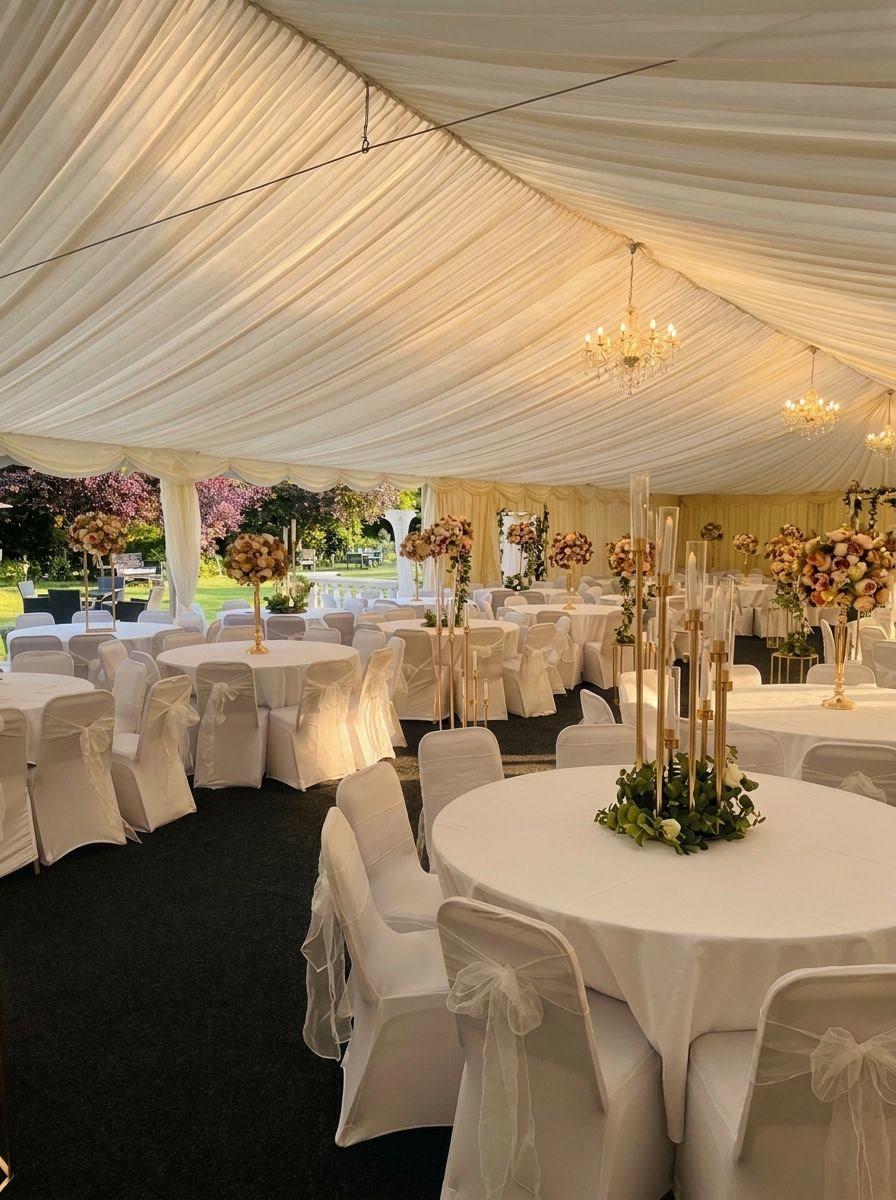
Why Marquee Weddings Offer Flexibility
Creating A Bespoke Wedding Experience
Marquee weddings have become increasingly popular because they offer flexibility and personalisation. Couples can create a wedding experience that reflects their own style and preferences.
Layouts, décor, entertainment, and dining arrangements can often be customised more easily than in traditional venues.
Choosing The Perfect Location
Marquee wedding venues combine the beauty of outdoor surroundings with the practicality of a structured event space. This creates a balance between flexibility, comfort, and reliability.
For many couples, a marquee wedding provides the ideal combination of elegance and creative freedom.
Final Checklist Before Choosing Your Wedding Venue
Comparing Your Shortlisted Venues
Before booking, compare your shortlisted venues against your key priorities:
- Budget
- Guest capacity
- Location
- Accommodation
- Photography opportunities
- Facilities
- Flexibility
A simple comparison can help clarify which venue best meets your needs.
Making The Final Decision
Ultimately, choosing the perfect wedding venue is about more than numbers and facilities. It is about finding a place that feels right.
Trust your instincts. If a venue matches your vision, supports your practical requirements, and creates excitement about your wedding day, it may well be the perfect choice.
At Halfway House, we understand how important this decision is and are committed to helping couples create unforgettable wedding experiences in a beautiful and welcoming setting.
Frequently Asked Questions
How Far In Advance Should I Book A Wedding Venue?
Most couples book their wedding venue between 12 and 24 months in advance, particularly for popular summer dates and weekends.
How Much Should I Budget For A Wedding Venue?
Wedding venue costs vary significantly depending on location, facilities, and guest numbers. It is important to establish a clear budget before starting your search.
What Questions Should I Ask During A Venue Viewing?
Ask about availability, capacity, accommodation, catering options, supplier policies, parking, accessibility, and cancellation terms.
Should I Choose An Indoor Or Outdoor Wedding Venue?
The right choice depends on your vision and preferences. Many couples choose venues that offer both indoor and outdoor options for added flexibility.
What Makes A Good Wedding Venue?
A good wedding venue combines beautiful surroundings, excellent facilities, guest comfort, accessibility, flexibility, and a professional team that helps bring your vision to life.