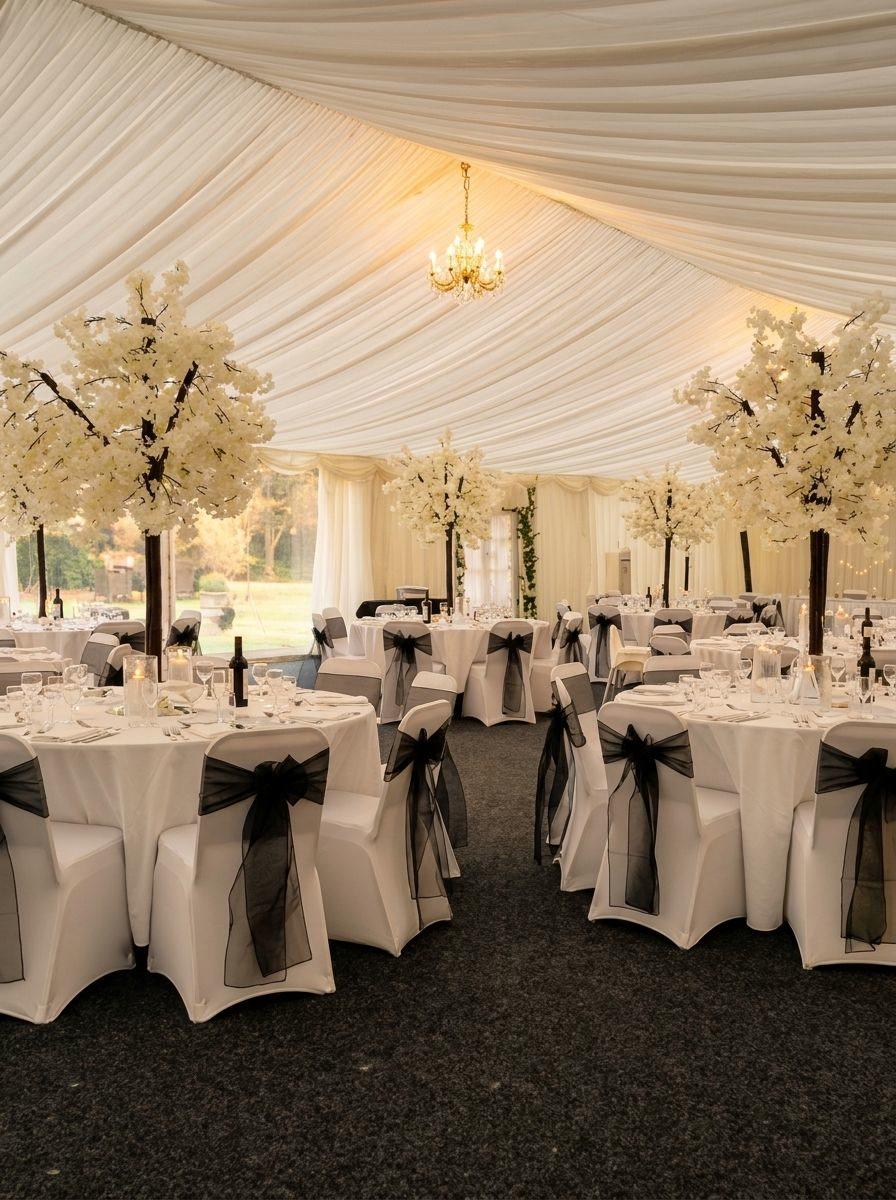
Planning a wedding is exciting, but it can also be one of the biggest financial commitments many couples make. While finding the perfect venue is often at the top of the priority list, many couples quickly discover that the advertised venue price is not always the final amount they will pay.
Understanding the hidden costs to watch for when booking a wedding venue can help you avoid unexpected expenses, stay within budget, and make informed decisions throughout the planning process.
At Halfway House, we believe transparency is important. Knowing what to ask before signing a contract can help you enjoy the planning process with confidence and avoid unnecessary surprises later.
Service Charges And VAT Surprises
Understanding VAT on Venue Hire
One of the most common hidden costs involves VAT. Some wedding venue prices may be advertised excluding VAT, which can significantly increase the final cost once added.
Before making any decisions, always ask whether prices are inclusive of VAT and request a detailed breakdown of all charges.
Mandatory Service Charges
Many venues apply service charges to catering, drinks packages, or the overall wedding invoice. These charges can vary and may not always be included in the initial quotation.
Understanding how service charges are calculated will help you budget more accurately.
Corkage Fees
If you plan to provide your own wine, champagne, or other beverages, some venues charge corkage fees. These charges can be applied per bottle and quickly add up depending on guest numbers.
Cake Cutting Charges
Bringing your own wedding cake may seem straightforward, but some venues charge a cake cutting fee. This covers the staff time involved in serving the cake to guests.
Catering Minimum Spend Requirements
Food And Drink Minimum Spend Rules
Some venues operate on a minimum spend basis rather than charging solely for venue hire. This means you must spend a certain amount on catering and beverages regardless of the number of guests attending.
Guest Number Requirements
Minimum guest numbers may also apply. If fewer guests attend than expected, you may still need to pay the agreed minimum amount.
Menu Upgrades And Extras
Premium menu options, evening food stations, additional courses, and upgraded drinks packages can all increase your overall catering costs.
Supplier Meal Costs
Don’t forget to budget for supplier meals. Photographers, videographers, musicians, and other suppliers often require catering during the event.
Staffing And Overtime Fees
Additional Staff Charges
While some staffing may be included in your package, additional staff members often come at an extra cost.
Security And Bar Staff Costs
Certain venues require security personnel or additional bar staff depending on guest numbers. These charges may not always be included in the initial quote.
Overtime Fees
If your wedding runs later than agreed, overtime charges may apply. These fees can affect venue staff, entertainment providers, and other suppliers.
Setup And Breakdown Charges
Some venues charge for early access, extended setup periods, or next day breakdown services. Clarify these arrangements before booking.
Furniture, Tableware And Décor Rentals
Furniture Upgrade Costs
Standard furniture may be included, but upgraded chairs, lounge furniture, and specialty seating often come with additional charges.
Tableware And Linen Hire
Luxury tableware, coloured linens, charger plates, premium glassware, and decorative accessories can significantly increase costs.
Venue Décor Restrictions
Some venues have restrictions regarding hanging decorations, candles, floral installations, or certain styling elements. Special equipment may be required to comply with venue policies.
Transport And Storage Costs
Large decorative items may require delivery, collection, storage, and transportation services, adding further costs to your wedding budget.
External Supplier Restrictions
Approved Supplier Lists
Many wedding venues operate approved supplier lists. This means you may be required to use specific caterers, florists, entertainers, or décor companies.
External Vendor Surcharges
If external suppliers are allowed, venues may charge coordination fees or additional supplier access charges.
In House Service Requirements
Some venues require couples to use their in house catering, drinks packages, or entertainment services.
Supplier Flexibility Considerations
Understanding supplier restrictions early can help avoid disappointment and unexpected costs later.
Seasonal Pricing And Peak Date Charges
Summer Wedding Premiums
Summer weddings remain highly popular and often command premium prices.
Weekend Surcharges
Saturday weddings are usually the most expensive dates, while weekday celebrations may offer considerable savings.
Bank Holiday Pricing
Bank holiday weekends frequently attract higher venue hire fees and supplier costs.
Benefits Of Off Peak Weddings
Choosing an off peak wedding date can provide excellent value while offering greater venue availability and flexibility.
Guest Count Related Costs
Minimum Guest Numbers
Some venues require a minimum attendance level to secure exclusive use or preferred packages.
Maximum Capacity Restrictions
Exceeding venue capacity may require additional spaces, marquees, or alternative arrangements.
Additional Space Requirements
Larger guest lists often create extra costs for furniture, catering, staffing, and entertainment.
Per Head Pricing Increases
Many wedding packages operate on a per guest basis, meaning even small increases in attendance can significantly affect the final bill.
Accommodation And Bridal Suite Costs
Complimentary Room Conditions
A complimentary bridal suite may be offered, but often only when certain spending thresholds are met.
Guest Room Block Requirements
Some venues require couples to reserve a minimum number of guest rooms. If these rooms remain unbooked, additional charges may apply.
Early Check In Charges
Accessing rooms early for hair, makeup, and preparations may incur additional fees.
Late Checkout Fees
Extended use of accommodation after the wedding can also attract extra charges.
Insurance, Licences And Legal Fees
Wedding Insurance
Wedding insurance helps protect against cancellations, supplier issues, and unforeseen circumstances. It is usually a separate cost.
Public Liability Requirements
Certain venues require suppliers to carry public liability insurance before working onsite.
Ceremony Licence Fees
Civil ceremony licence fees are typically separate from venue hire and should be included in your planning budget.
Music Licence Charges
Live entertainment and recorded music may require licensing fees depending on the venue and event format.
Cleaning, Waste And Breakdown Costs
Cleaning Charges
Some venues apply cleaning fees following the event, particularly where extensive décor has been used.
Waste Disposal Fees
Large weddings can generate significant waste, and disposal costs may be passed on to the couple.
Confetti Restrictions
Certain types of confetti may result in additional cleaning charges if venue policies are not followed.
Storage And Collection Fees
Items left onsite after the event may incur storage fees if not collected promptly.
Technology And Equipment Costs
Sound System Hire
Microphones, speakers, and sound systems may be available at an additional cost.
Lighting And Projector Costs
Specialist lighting, projectors, and presentation equipment are often charged separately.
Generator Hire
Outdoor weddings or marquee events may require generator hire to support power requirements.
Power Supply Requirements
Additional power access for entertainment, catering equipment, or lighting installations may create extra expenses.
Final Checklist Before Signing A Wedding Venue Contract
Reviewing Contract Terms
Carefully read every section of the contract before signing and clarify anything that seems unclear.
Clarifying Payment Schedules
Understand deposit requirements, payment deadlines, and final balance arrangements.
Understanding Cancellation Policies
Review cancellation terms and refund conditions thoroughly.
Requesting A Complete Cost Breakdown
Ask for a detailed quotation showing all charges, fees, taxes, and optional extras. This will help you make an informed decision and avoid hidden costs later.
FAQs About Hidden Wedding Venue Costs
What hidden costs should couples expect?
Common hidden costs include VAT, service charges, corkage fees, supplier meals, overtime fees, accommodation requirements, and equipment hire.
Are service charges included in venue prices?
Not always. Always ask whether service charges are included in the quoted price.
Do venues charge corkage fees?
Many venues charge corkage fees when couples bring their own alcohol.
What is a minimum spend requirement?
A minimum spend requirement is the amount you must spend on food, drinks, or services regardless of guest numbers.
Can venues charge for external suppliers?
Yes. Some venues apply supplier access fees or require approved suppliers.
Are wedding insurance costs included?
Wedding insurance is generally arranged separately by the couple.
Do guest numbers affect venue pricing?
Yes. Catering, staffing, furniture, accommodation, and venue packages often depend on guest numbers.
How can couples avoid hidden venue costs?
Request a full cost breakdown, ask detailed questions, review contracts carefully, and clarify all fees before booking.
Planning carefully and understanding the hidden costs to watch for when booking a wedding venue can help you manage your budget more effectively. At Halfway House, we encourage couples to ask questions, understand every detail, and make informed decisions that lead to a stress free and memorable wedding day.
The most memorable weddings are often those shared with the people who mean the most to you.
Match Guest Count To Your Budget
Choose a number that allows you to celebrate comfortably without creating unnecessary financial pressure.
Create The Atmosphere You Want
Your guest list should support the experience and atmosphere you want to create.
Build A Wedding Day That Feels Right For You
When deciding how many people should you invite to a wedding, there is no universal answer. By balancing your budget, venue capacity, personal relationships, and wedding vision, you can create a guest list that feels authentic and helps make your special day truly memorable.
FAQs
How many guests are usually invited to a wedding?
Wedding guest numbers vary widely, but many couples invite between 80 and 150 guests depending on their budget, venue, and personal preferences.
Should I invite people I have not spoken to recently?
If you have not spoken to someone for several years, consider whether they still play an important role in your life before including them on your guest list.
How many extra guests should I invite?
Many couples invite slightly more people than their target attendance number to account for guests who may decline the invitation.
Is it acceptable to have a small wedding?
Yes. Small weddings are becoming increasingly popular and can provide a more personal and meaningful experience.
How do I reduce my wedding guest list?
Focus on close family members, meaningful friendships, and people who actively participate in your life. Avoid inviting guests purely out of obligation whenever possible.
Venue Capacity Requirements
Your guest list plays a major role in selecting a wedding venue. A venue that feels perfect for 80 guests may feel overcrowded with 180.
When viewing venues, ask about seated dining capacity, evening reception capacity, and flexibility for different layouts.
Comfort And Space For Guests
Beyond capacity numbers, consider how comfortable the venue will feel. Guests need room to dine, socialise, dance, and move around comfortably throughout the day.
A spacious venue often creates a more relaxed and enjoyable atmosphere.
Location Matters
Accessibility For Family And Friends
The location of your wedding venue can significantly impact attendance and guest convenience. Consider how easy it is to reach by car, train, or public transport.
Choosing a well connected venue can reduce travel stress for your guests.
Travel And Accommodation Considerations
If many guests are travelling from further away, nearby accommodation becomes an important factor. On site bedrooms or local hotels can make the experience far more convenient.
Accommodation also allows guests to fully enjoy the celebration without worrying about travelling home late at night.
Indoor Or Outdoor Wedding Venue
Benefits Of Outdoor Wedding Spaces
Outdoor wedding venues continue to grow in popularity. Beautiful gardens, scenic countryside views, and natural surroundings create a stunning backdrop for ceremonies and photographs.
Outdoor spaces often provide a relaxed atmosphere that many couples love.
Planning For British Weather
While outdoor weddings can be beautiful, British weather is always unpredictable. When considering an outdoor wedding venue, make sure there is a suitable indoor alternative or weatherproof option available.
Flexible venues provide peace of mind regardless of the forecast.
Think About Photography Opportunities
Natural Backdrops
Wedding photographs become lasting memories of your special day. Look for venues with attractive outdoor spaces, landscaped gardens, mature trees, lakes, or countryside views.
Natural surroundings often create timeless and elegant photographs.
Architectural Features
Architectural details can also add character to your wedding album. Historic buildings, grand entrances, feature staircases, and unique venue features provide additional opportunities for stunning photography.
When visiting venues, imagine how different areas will look in your wedding photographs.
Evaluate Venue Facilities
Parking Availability
Adequate parking is often overlooked but can make a significant difference to guest convenience. Ensure there is sufficient parking available for your expected numbers.
Guest Accommodation
Accommodation adds another level of comfort and convenience. It allows close family members, the wedding party, and guests travelling longer distances to stay nearby.
Catering Facilities
Food plays an important role in every wedding celebration. Check whether the venue provides in house catering, allows external caterers, or offers flexible dining options.
Accessibility Requirements
Every guest should feel comfortable and welcome. Consider wheelchair access, accessible toilets, and any special requirements that may affect family members or friends attending your wedding.
Ask The Right Questions Before Booking
Availability And Booking Terms
Before making a final decision, confirm availability for your preferred date and review all booking terms carefully.
Understanding deposits, payment schedules, and timelines helps avoid unexpected surprises later.
Supplier Restrictions
Some wedding venues work with approved suppliers, while others allow complete flexibility. Ask whether you can choose your own florist, photographer, entertainment, and catering providers.
Cancellation Policies
Life can be unpredictable. Understanding the venue’s cancellation and postponement policies provides reassurance if plans need to change.
Why Marquee Weddings Offer Flexibility
Creating A Bespoke Wedding Experience
Marquee weddings have become increasingly popular because they offer flexibility and personalisation. Couples can create a wedding experience that reflects their own style and preferences.
Layouts, décor, entertainment, and dining arrangements can often be customised more easily than in traditional venues.
Choosing The Perfect Location
Marquee wedding venues combine the beauty of outdoor surroundings with the practicality of a structured event space. This creates a balance between flexibility, comfort, and reliability.
For many couples, a marquee wedding provides the ideal combination of elegance and creative freedom.
Final Checklist Before Choosing Your Wedding Venue
Comparing Your Shortlisted Venues
Before booking, compare your shortlisted venues against your key priorities:
- Budget
- Guest capacity
- Location
- Accommodation
- Photography opportunities
- Facilities
- Flexibility
A simple comparison can help clarify which venue best meets your needs.
Making The Final Decision
Ultimately, choosing the perfect wedding venue is about more than numbers and facilities. It is about finding a place that feels right.
Trust your instincts. If a venue matches your vision, supports your practical requirements, and creates excitement about your wedding day, it may well be the perfect choice.
At Halfway House, we understand how important this decision is and are committed to helping couples create unforgettable wedding experiences in a beautiful and welcoming setting.
Frequently Asked Questions
How Far In Advance Should I Book A Wedding Venue?
Most couples book their wedding venue between 12 and 24 months in advance, particularly for popular summer dates and weekends.
How Much Should I Budget For A Wedding Venue?
Wedding venue costs vary significantly depending on location, facilities, and guest numbers. It is important to establish a clear budget before starting your search.
What Questions Should I Ask During A Venue Viewing?
Ask about availability, capacity, accommodation, catering options, supplier policies, parking, accessibility, and cancellation terms.
Should I Choose An Indoor Or Outdoor Wedding Venue?
The right choice depends on your vision and preferences. Many couples choose venues that offer both indoor and outdoor options for added flexibility.
What Makes A Good Wedding Venue?
A good wedding venue combines beautiful surroundings, excellent facilities, guest comfort, accessibility, flexibility, and a professional team that helps bring your vision to life.